
Memory, Identity, and Ancestral Continuity in African Art
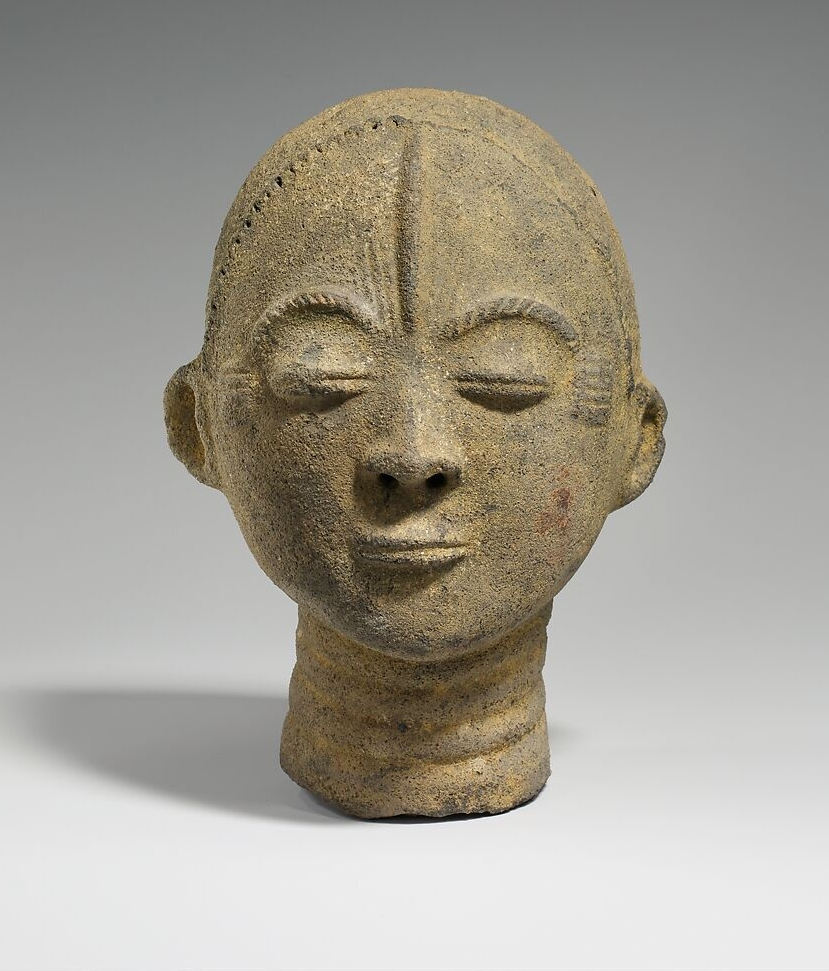
Unknown Akan Artist, Nsodie (memorial head), Terracotta, H. 8 in. × W. 5 1/2 in. × D. 4 3/4 in. (20.3 × 14 × 12.1 cm). Photo: The Michael C. Rockefeller Wing
Introduction
African terracotta heads are among the most significant examples of sculpture that serve as a medium for remembrance, identity, and cultural continuity. Across African societies, clay portraiture has commemorated the dead, honoured prominent individuals, and expressed ideas about ancestry and the ongoing relationship between past and present generations. These sculptures demonstrate that African art has historically fulfilled social, spiritual, and philosophical functions that extend far beyond aesthetic display.
The human head holds a particularly important place in many African artistic traditions, serving as a primary means of communicating identity, status, individuality, and spiritual presence. Hairstyles, scarification patterns, facial features, and ornaments can all convey information about a person's social identity and cultural background. However, the meanings attached to terracotta heads vary across societies and must be understood within their specific historical and cultural contexts.
Contemporary commemorative practices continue to demonstrate the enduring relevance of ancestral sculpture. A notable example is the Nkyinkyim Museum in Nuhalenya-Ada, Ghana, founded by artist and educator Kwame Akoto-Bamfo. The museum uses sculpture, oral history, performance, and heritage preservation to explore memory, healing, and historical recovery, particularly regarding the legacies of enslavement and colonialism (Nkyinkyim Museum, n.d.).
The Artistic Form and Philosophical Meaning
Akan Commemorative Heads and Funerary Practice
Ancestry, Memory, and Cultural Continuity
Contemporary Practice: Nkyinkyim Museum
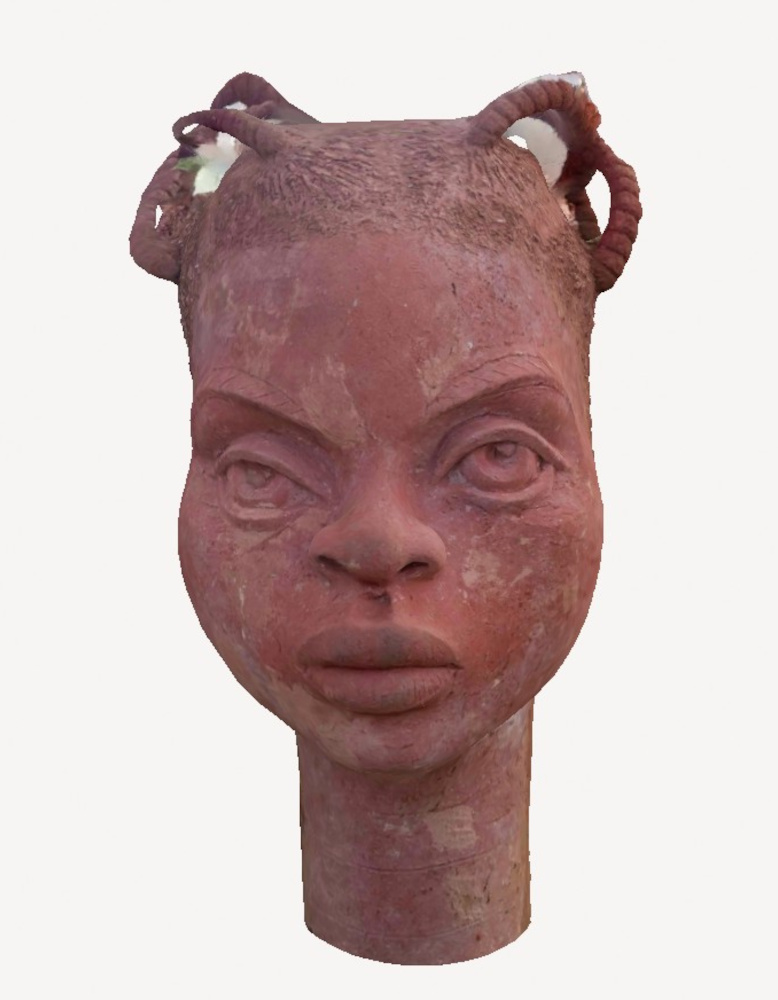
Figure 2: Kwame Akoto Bamfo, Nsodie, Painted Concrete. Photo: Ebenezer Kow Abraham
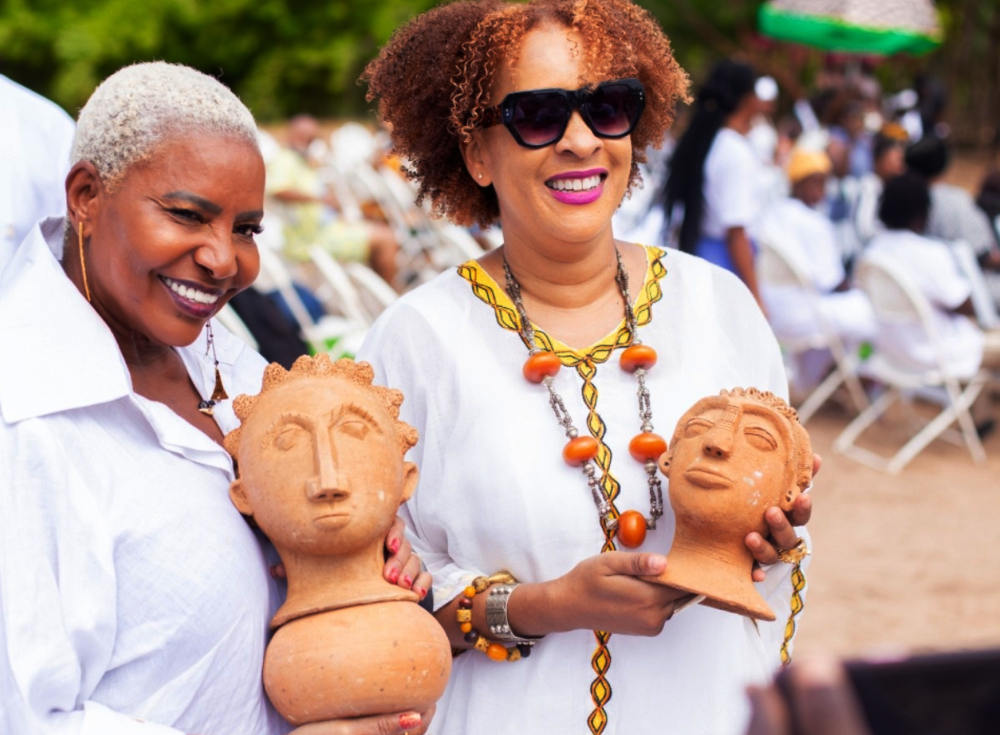
Figure 3: African Americans from the Diaspora during Ancestral Veneration at Nkyimkyim Museum. Photo: Nkyimkyim Museum
Terracotta Heads as Indigenous Knowledge Systems
Terracotta heads also provide valuable insights into indigenous knowledge systems. They reveal how communities record information, assign meaning, and transmit cultural knowledge through material forms. While viewers can observe a clay sculpture's physical characteristics directly, understanding its significance more deeply requires engaging with the cultural frameworks that produced it.
These works function as repositories of knowledge concerning artistic techniques, social organisation, funerary traditions, concepts of personhood, and historical experience. Museums, community elders, artists, historians, and oral traditions all help preserve and interpret this knowledge.
The Akan concept of Nyansapo (the wisdom knot) offers a useful framework for understanding such interpretation. Nyansapo symbolises wisdom, intelligence, patience, and the capacity to apply knowledge effectively. Interpreting terracotta heads similarly requires close observation, contextual awareness, and critical reflection. As the Akan proverb states, Obi nnim a, obi kyere ("When one person does not know, another can teach"), knowledge develops through shared learning and intergenerational dialogue.
Educational Significance
Studying African terracotta heads offers important educational opportunities. Students learn to combine visual analysis with historical inquiry, cultural interpretation, and evidence-based reasoning. Examining features such as hairstyles, scarification patterns, facial proportions, and ceramic techniques encourages close observation, while research into cultural contexts builds critical thinking and historical understanding.
Terracotta heads also challenge simplistic assumptions about African history and artistic production. They demonstrate sophisticated systems of artistic knowledge, technological skill, and philosophical thought. Studying them gives learners a deeper appreciation of African cultural heritage and the diverse ways communities preserve memory and identity.
Collaborative approaches to learning further resonate with the Akan proverb Nsa baako nkura adesoa ("One hand cannot carry a heavy load"), reminding us that knowledge emerges through the collective contributions of communities, educators, researchers, museums, artists, and cultural custodians.
Conclusion
African terracotta heads are far more than sculptural representations of the human face. They are material expressions of identity, memory, ancestry, and cultural continuity. Akan commemorative heads reveal the close relationship among art, funerary practice, and social remembrance, while contemporary initiatives such as the Nkyinkyim Museum demonstrate that sculpture continues to support historical recovery and cultural healing.
Whether regarded as artistic objects, historical records, or repositories of indigenous knowledge, terracotta heads offer valuable insights into African philosophies of remembrance and continuity. Their enduring significance lies in their capacity to connect generations, preserve cultural knowledge, and make visible the lives and histories that communities continue to honour and remember.
References
- Metropolitan Museum of Art. (2000, October 1). Nok terracottas (500 B.C.-200 A.D.). Heilbrunn Timeline of Art History. https://www.metmuseum.org/essays/nok-terracottas-500-b-c-200-a-d
- Nkyinkyim Museum. (n.d.). About us. https://nkyinkyimmuseum.org/about-us/
- Smithsonian National Museum of African Art. (n.d.). Commemorative head (Object No. 86-12-4). Smithsonian Institution. https://africa.si.edu/collection/object/nmafa_86-12-4
- Kwame Akoto-Bamfo. (n.d.). Nkyinkyim Museum. https://kwameakotobamfo.com/project/nkyinkyim-museum/