
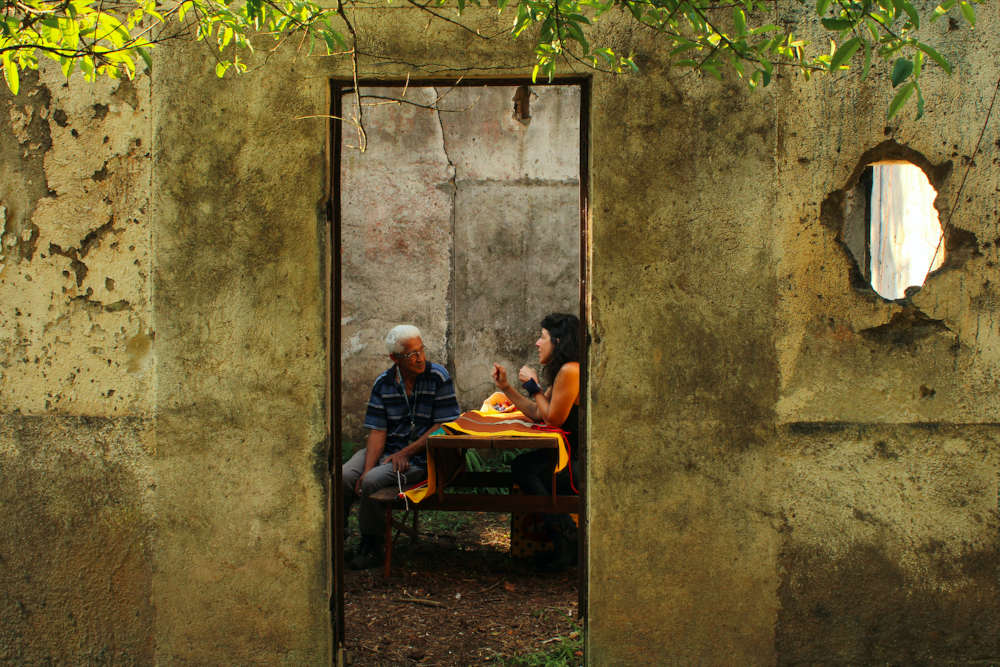
Image 1: Visit by Xina, a master marquetry artisan, to the Temporary Studio Occupation during the first edition in Riacho Grande, São Paulo, Brazil (credit Pedro Casagrande).
We Are Strong at Dissolving Rocks: Situated Research and Methodologies of Inter-Species Connection
How do humans, plants, fungi, animals, and landscapes shape one another? What relationships sustain life within a territory, often beyond our perception?
We Are Strong at Dissolving Rocks is an ongoing artistic investigation developed through immersive artistic research in rural territories. Initiated in 2024 in Riacho Grande, in the countryside of São Paulo, the project maps networks of affection, mutualism, and symbiosis between humans and more-than-humans, approaching landscapes not as backdrops but as living ecologies composed of intertwined forms of life. Since its inception, the project has unfolded through three editions developed in distinct territories across Brazil spanning the Atlantic Forest, Caatinga, and Cerrado biomes.
The title is drawn from a narrative recounted by anthropologist Anna Tsing in The Mushroom at the End of the World. The phrase refers to the capacity of fungi to dissolve minerals and create the conditions for new ecological relationships to emerge. Throughout the research, this image became both metaphor and method: an invitation to observe how life is sustained through collaboration, exchange, and interdependence.
The project emerged from a desire to understand how relationships - rather than isolated beings - can become the material of artistic practice. At the core of the methodology is the temporary implementation of an open textile studio within public spaces. Inspired by the infiltrating logic of fungi, the studio is conceived as a light and adaptive presence that settles into existing environments through minimal intervention. Rather than constructing a dedicated artistic space, the project asks a simple question: what is the minimum necessary for a studio to exist?
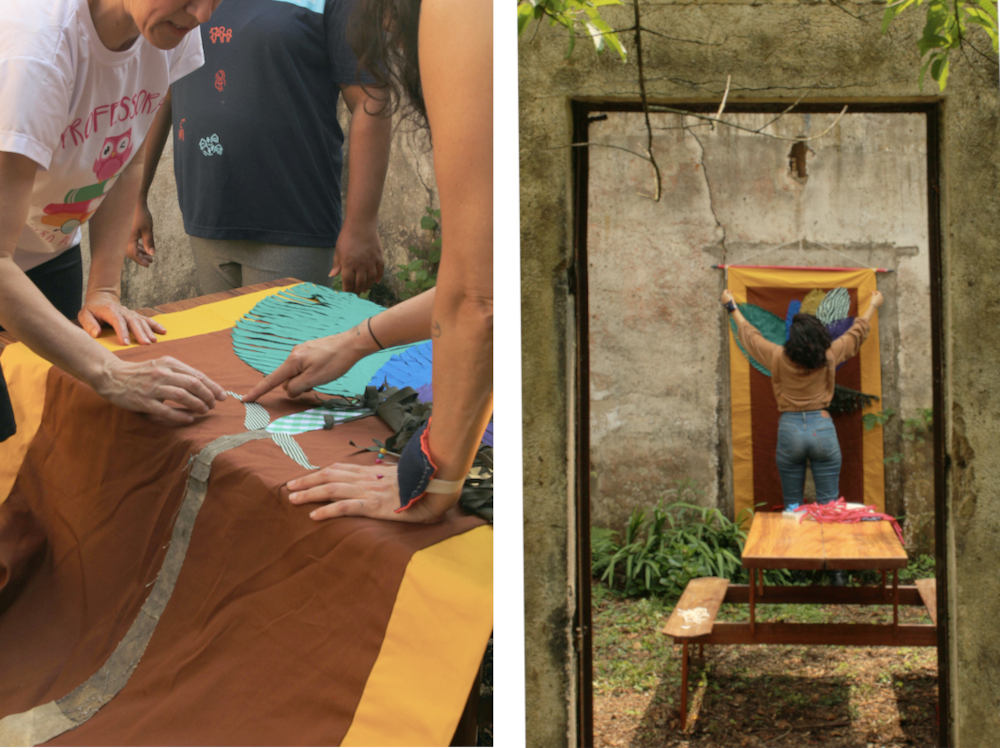
Image 2: Temporary Studio Occupation during the first edition in Riacho Grande, São Paulo, Brazil (credit Pedro Casagrande)
This approach seeks to demystify the artist’s studio as a unique, exclusive, or isolated site of production, reimagining it instead as a social device for encounter, exchange, and collective inquiry. Once established, attention shifts toward the spontaneous relationships that emerge around it - whether with local residents, artisans, miners, educators, children, passersby, plants, fungi, animals, or the material conditions of the landscape itself.
Through listening, coexistence, and shared practices, each immersion unfolds as a collective investigation. Conversations, walks, observations, workshops, and acts of making become tools for identifying ecological relationships and translating them into artistic forms. It is through these encounters that the research reveals what I call lines of life: networks of connection linking species, memories, and ways of inhabiting a territory. Textile works and collaborative creations emerge not merely as representations of a place, but as material traces of the relationships that made them possible.
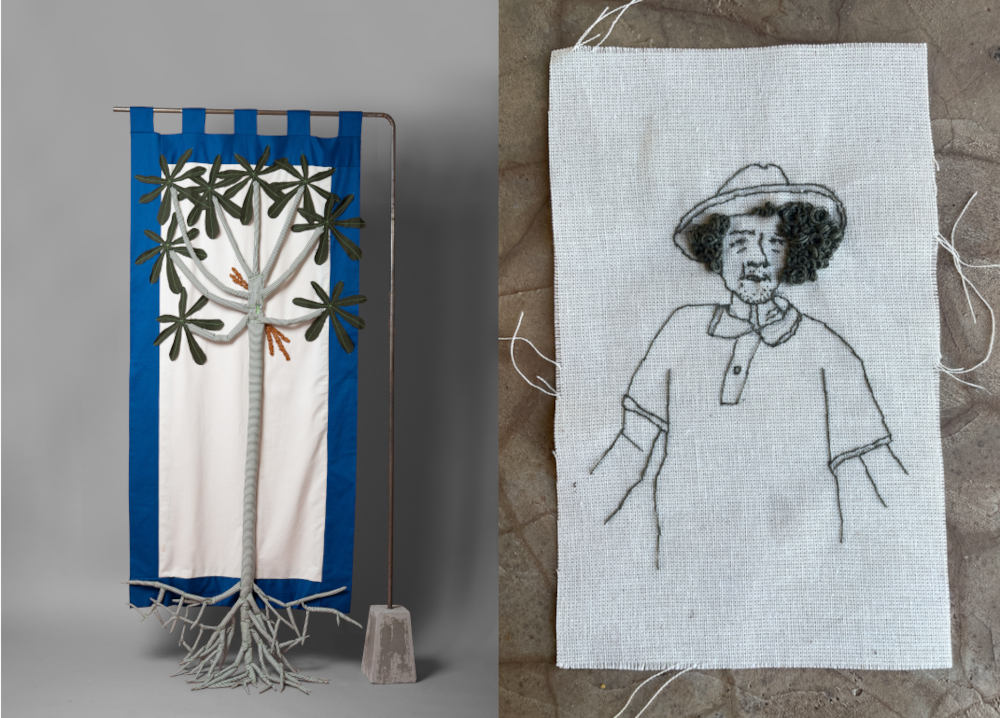
Image 3: Left: We Must Learn How to Swim in the Forest (Embaúba), 2024 Fabric and beads 220 × 130 × 40 cm (including support); (Right) Work in process (credit Elisa Mendes, Lis Haddad)
Conceptually, the research is informed by multispecies perspectives developed by thinkers such as Anna Tsing and the philosopher Donna Haraway, whose work challenges conventional separations between humans and the more-than-human world and invites us to think through interdependence, coexistence, and the making of shared worlds. At the same time, the project engages with the notion of an aesthetics of emergence, proposed by Argentine thinker Reinaldo Laddaga, who understands artistic practice not as the production of autonomous objects, but as the creation of situations, relationships, and collective processes. These references support an understanding of art as a relational field capable of generating new forms of attention, belonging, and ecological imagination.
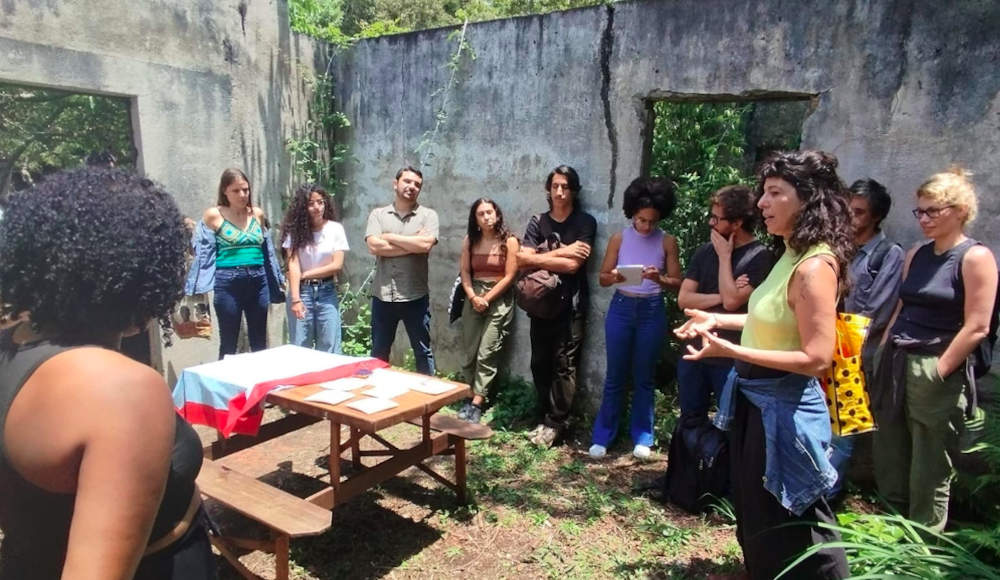
Image 4: Visit from students and faculty members of the Federal University of ABC (UFABC), São Paulo (credit Bruna Fernanda)
More than documenting territories, We Are Strong at Dissolving Rocks seeks to create conditions through which new forms of listening and belonging may emerge. It is an invitation to imagine how humans and more-than-humans might continue weaving the fabric of life together.
Throughout its different editions, the research has been consolidating a situated methodology capable of adapting to the particularities of each territory without losing its relational dimension. In the long term, the objective is to transform this investigation into a broad collection of works and experiences spanning different biomes and cultural contexts across the world, integrating institutional and museum collections while also strengthening networks of exchange among artists, educators, communities, and scientists.
In this sense, an important objective for future stages of the project is the development of methodologies for documentation, communication, and continued participation capable of sustaining these relationships over time. This remains an open question within the research: how can a project rooted in presence and encounter continue to nurture connections after the immersion has ended? This is something I'm looking forward to figuring out.
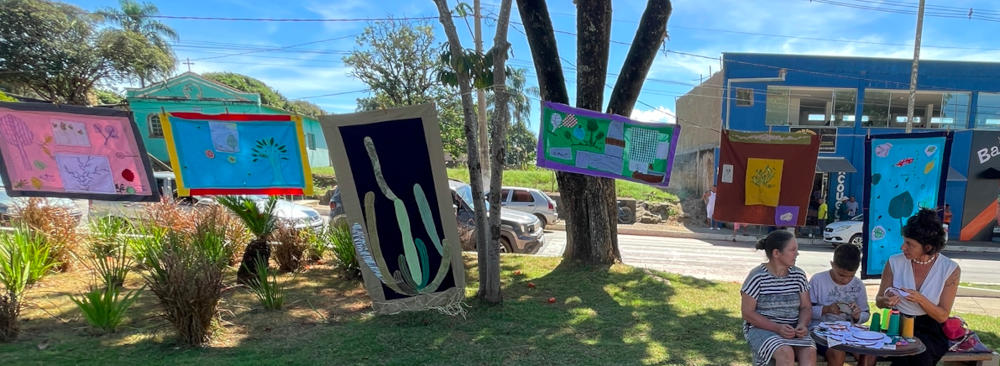
Image5: Exhibition during the 3rd edition of the project at the Central Square of Aranha, Minas Gerais, Brazil (credit Candida Najar)
Download a more detailed brochure (PDF)