
STORIES WRITTEN ON WALLS
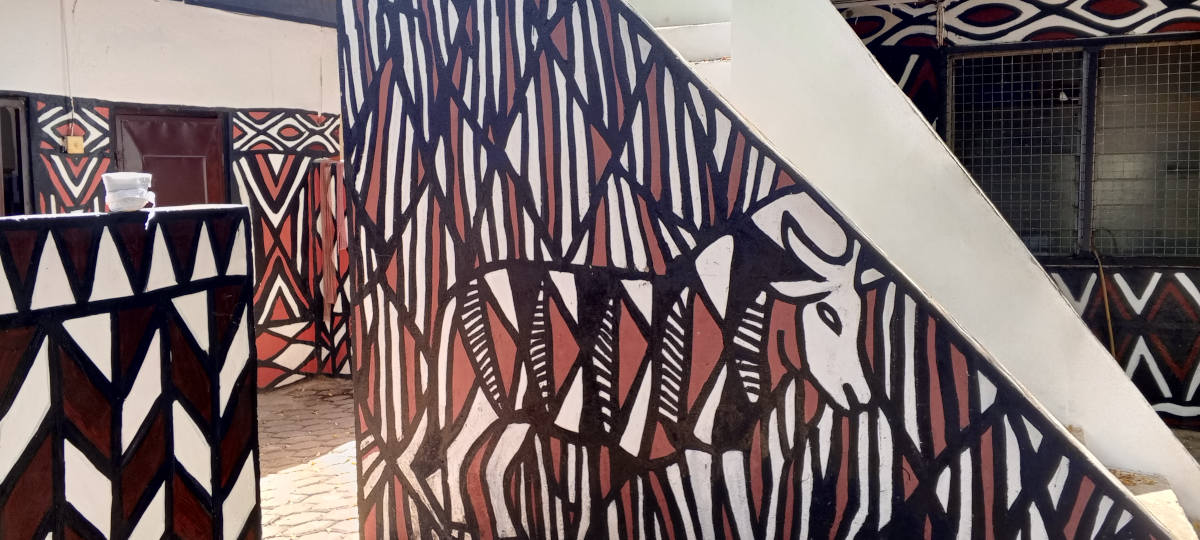
Figure 1: Unknown Woman Artists, Wall Painting, Sirigu. Photo: Jonas Akelinza
AN ART FORM ROOTED IN THE WALLS OF SIRIGU
When we think of paintings, we often picture beautiful images hanging in galleries or displayed in frames. But in Sirigu, a community in Ghana’s Upper East Region, some of the most interesting works of art can be found right on the walls of people’s homes. These walls are decorated with colourful patterns, lines, and shapes that turn ordinary buildings into something special.
For generations, women in Sirigu have been at the heart of this painting tradition. With their knowledge of colours, patterns, and local materials, they have developed a distinctive way of decorating buildings. Their work shows that art does not have to be separated from everyday life. It can be part of the places where people live, gather, and share their experiences. What makes this tradition particularly interesting is how women learn and pass on these skills. Much of the knowledge comes through watching others, practising, and learning from experienced women. Over time, these skills become part of the community’s artistic knowledge, connecting younger generations with those who came before them.
Today, more people are becoming interested in Sirigu’s traditional arts. Cultural visits, exhibitions, and the Sirigu Women’s Organisation for Pottery and Art (SWOPA) 's activities have helped introduce the community’s creativity to wider audiences. Still, these paintings offer much more than attractive patterns. They tell us about the women who create them, the skills they have developed, and the place of traditional art in a world that continues to change. Looking closely at Sirigu wall painting allows us to appreciate not only the finished work but also the people and experiences behind it.
THE WOMEN BEHIND THE ART
At the centre of Sirigu wall painting are the women who create and maintain the tradition. Their work requires patience, a strong understanding of materials, and the ability to arrange patterns to suit the walls they paint. It is a skill that develops through practice and experience. In many cases, younger women learn by watching older and more experienced practitioners. They observe how the work is done, take part in the process, and gradually learn to create their own designs. This kind of learning may not always take place in a classroom, but it can be just as meaningful. Knowledge is shared through everyday activities, allowing skills to pass from one generation to the next.
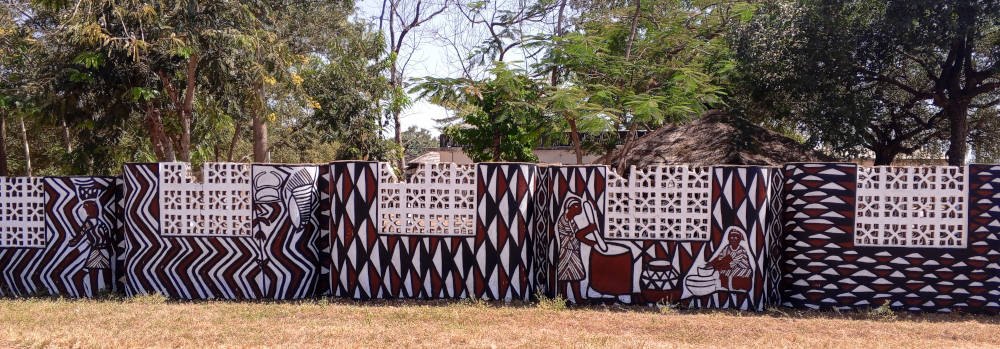
Figure 2: Unkown Woman Artists, Wall Painting, Sirigu. Photo: Jonas Akelinza
Women’s roles matter because traditional art does not always receive the same attention as work displayed in galleries or created by well-known artists. Yet creating these murals requires artistic judgement, technical knowledge, and creativity. The women are not merely repeating old designs; they actively participate in a tradition that continues to develop. Asante and Opoku-Asare (2011) discuss the relationship between Sirigu murals, cultural identity, art education, and social sustainability. Their work helps explain why these women's knowledge deserves attention and recognition. When we look at Sirigu wall painting, remember that every design begins with someone who learned the craft, made artistic choices, and helped keep the practice alive.
PATTERNS, MATERIALS AND THE ART OF PAINTING WALLS
One of the first things people notice about Sirigu wall painting is its use of patterns. Geometric shapes, repeated lines, contrasting colours, and other forms come together to create eye-catching designs. Some patterns repeat across a surface, while others create variety and movement.
Painting a wall is different from painting on paper or canvas. The artist must work with the size, texture, and condition of the building. A design that looks good on a small surface may need to be adjusted to fit a much larger wall. This makes the work both an artistic and a practical exercise. Traditionally, practitioners have used earthen walls, locally available materials, and natural pigments. The work can involve preparing the surface, obtaining colours, planning the design, and applying the paint. The exact methods and materials may differ between practitioners and across time, particularly as new materials become available.
The patterns themselves also deserve a closer look. Some may carry cultural associations, while others may reflect the artist’s design choices. It is important not to assume that every shape has a particular meaning simply because it appears in a traditional painting. The women who create the work, together with reliable cultural sources, are best placed to explain its significance. What makes the process remarkable is the way the painting works with the building rather than sitting apart from it. The shape of the wall, the arrangement of the patterns, and the choice of colours all contribute to the final result.
MORE THAN DECORATION: ART, HOME AND CULTURAL MEANING
Imagine seeing a painting every day as you enter your home or sit with your family. Unlike an artwork viewed only during a gallery visit, a painted wall becomes part of the environment people experience regularly. This is one of the interesting features of Sirigu wall painting. The murals are closely associated with domestic buildings and community life. They bring artistic expression into familiar spaces, showing how creativity can be woven into the places where people live.
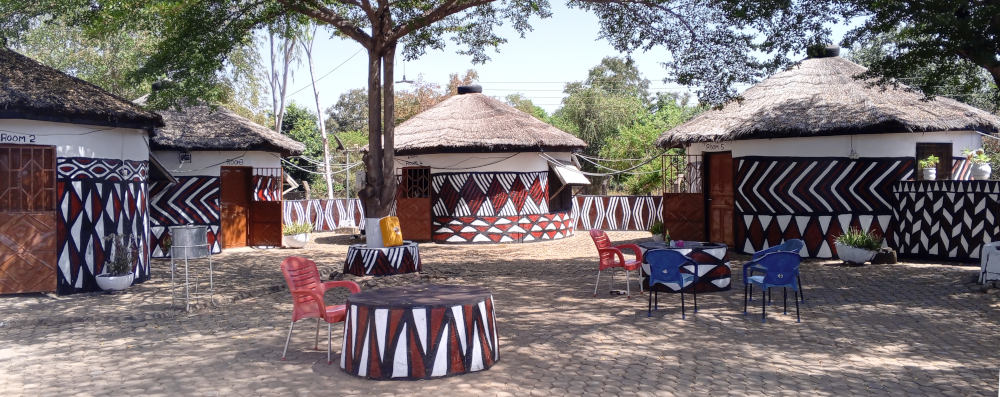
Figure 3: Unknown Women Artists, Wall Paintings, Sirigu. Photo: Jonas Akelinza
This way of making art also encourages us to think differently about what deserves to be called an artwork. Paintings do not need to be displayed in museums or sold through galleries to have artistic value. The knowledge, effort, and creative decisions involved in painting a home are meaningful in their own right. The murals are also connected to cultural identity. Asante and Opoku-Asare (2011) explore how the paintings relate to cultural education and social sustainability, offering insight into their importance beyond their visual appearance.
At the same time, it is worth remembering that people may understand the paintings in different ways. A design may hold a particular significance for one person, while another may appreciate its beauty or the skill involved in making it. Meanings can also change as people and circumstances change. Sirigu wall painting therefore invites us to appreciate art in everyday settings and consider how the places around us can carry artistic and cultural significance.
FROM SIRIGU TO THE WIDER WORLD
Although Sirigu wall painting is rooted in the community, interest in the tradition now extends beyond it. Visitors come to learn about local arts, while exhibitions, workshops, and contemporary design offer other ways to encounter its patterns and techniques.
The Sirigu Women’s Organisation for Pottery and Art (SWOPA) helps draw attention to the community’s artistic traditions. Through its work with local arts and cultural visitors, the organisation helps create opportunities for people to learn about Sirigu’s creative practices and for women to participate in economic activities. Kuuder et al. (2021) examine the contribution of ecotourism to women’s empowerment in Sirigu. Their research highlights the relationship between tourism, women’s opportunities, and the promotion of local cultural practices.
As more people encounter Sirigu designs, the art may appear in new settings. A pattern traditionally painted on a wall might inspire a contemporary painting, be presented in an exhibition, or be adapted for a product. These changes let the designs reach people who may never have visited Sirigu. This kind of interaction between cultures is known as transcultural exchange. It happens when artistic ideas and practices move between communities and are interpreted or adapted in new contexts.
This exchange can bring real benefits, including greater recognition, new creative opportunities, and income for local artists. However, it also raises important questions. When someone reproduces a traditional design, do they acknowledge the people who developed or maintain the practice? Are the artists involved in deciding how their work is used? Do they benefit when their designs become commercially successful?. These are worth considering as the tradition reaches wider markets. Sharing and adapting art can be positive, but it should also involve respect for the artists and their contributions.
A LIVING HERITAGE: THE FUTURE OF SIRIGU WALL PAINTING
Like many traditional art forms, Sirigu wall painting exists in a changing world. Building methods are evolving, new materials are becoming available, and younger people are growing up with experiences that may differ from those of earlier generations. These changes can influence whether and how the tradition is practised. One important question is how young people can keep learning the skills involved. Spending time with experienced practitioners offers an opportunity to understand the work beyond what photographs or written descriptions can teach. Cultural programmes and educational activities can also help introduce the tradition to people who might otherwise know little about it.
Preserving an art form, however, does not mean that everything must remain exactly as it was in the past. Artists may prefer traditional materials and methods, while others may explore new approaches or adapt their work to contemporary settings. Such decisions are part of the creative process, and the women who practise the art should have a say in how their tradition develops. A wider question also arises about whose art receives recognition. A decolonial perspective encourages us to examine why some artistic traditions are treated as more important or valuable than others. It challenges the idea that meaningful art must come from formal institutions or follow established international standards.
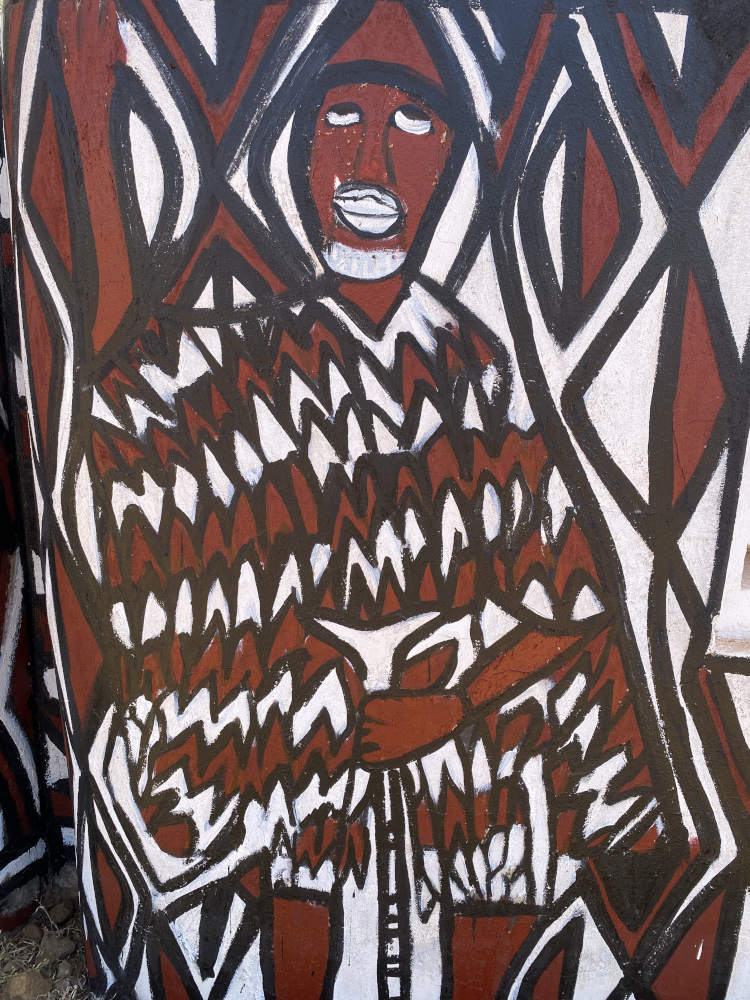
Figure 4: Unkown Woman Artists, Wall Painting, Sirigu. Photo: Jonas Akelinza
Sirigu wall painting reminds us that artistic knowledge can grow within communities through practice, observation, and shared experience. This knowledge deserves to be taken seriously, and the women who hold it should have opportunities to explain, develop, and share their work on their own terms. The future of the tradition will depend partly on whether the women and younger practitioners have the time, resources, and opportunities to continue it. It will also depend on allowing the art to grow without losing sight of the people and knowledge that give it meaning.
CONCLUSION: THE STORIES THAT WALLS CONTINUE TO TELL
Sirigu women’s wall painting offers a striking example of how art can become part of everyday life. Through patterns, colours, and carefully considered designs, women have developed a tradition that brings together painting, architecture, and community knowledge. The growing interest in Sirigu’s artistic heritage creates opportunities for cultural exchange, tourism, and economic participation. At the same time, it reminds us to recognise the artists behind the work and respect their role in decisions about how the tradition is presented and used.
Most importantly, Sirigu wall painting encourages us to look beyond the finished designs. Behind every painted surface are people who have learned, practised, and contributed to a creative tradition that continues to hold meaning for their community. The walls of Sirigu offer more than beautiful patterns. They give us a reason to appreciate the women whose hands, knowledge, and imagination have helped shape this remarkable art form.
October 2026